Have you ever noticed that the moments before a result is revealed can feel more exciting than the actual result itself? This phenomenon is especially true in activities involving chance, like playing games on MrQ or other online casino platforms. Why do the seconds or minutes of waiting for results often generate such strong feelings? In this post, we'll explore how dopamine and anticipation work together, how uncertainty creates anticipation, and why simple mechanics paired with risk make the experience engaging beyond just the outcome.
The Role of Uncertainty in Building Anticipation
At the heart of anticipation is uncertainty. When you don’t know what’s coming next, your brain enters a special state of alertness and heightened attention. The famous Harvard Business Review discusses how unpredictability can motivate and enhance engagement, a principle that companies use across many industries—including iGaming.
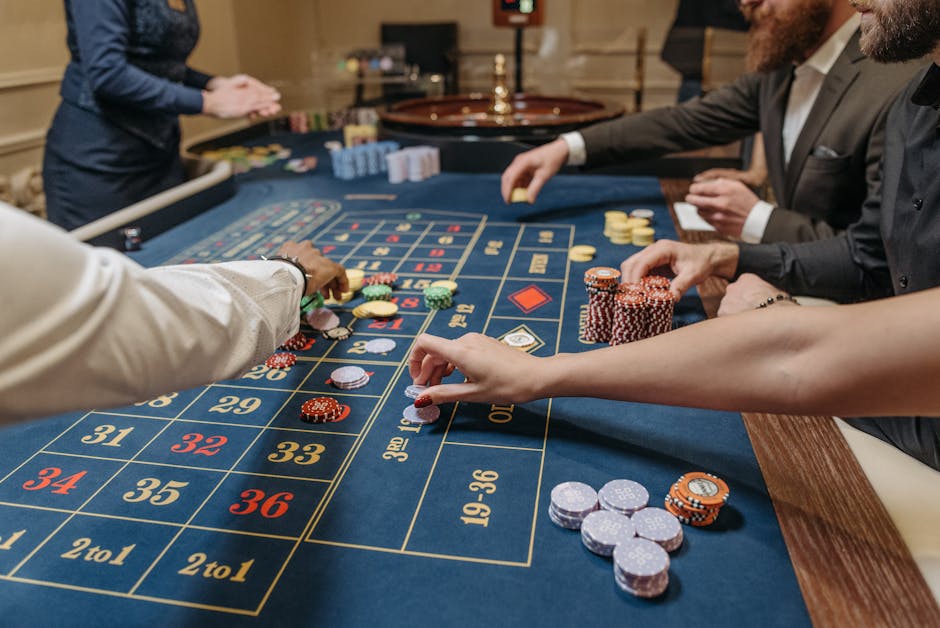
In the context of an online game, whether it’s a slot title powered by studios like NetEnt, or a simple dice game on MrQ, the waiting period for the spin or roll result activates that thrilling tension. Players don’t just crave the win itself; they crave the moment of not knowing, the suspense that anything could happen.
How Dopamine Fuels the Anticipation Experience
Dopamine is a neurotransmitter often associated with pleasure and motivation. However, neuroscience research shows it’s actually the expectation of a reward—not just the reward itself—that triggers dopamine surges in the brain. This means your brain gets a hit of dopamine while anticipating a positive outcome, which feels rewarding.
For example, when using a random number generator (RNG) on an online slot, your mind tracks the unpredictability and possible wins while you watch reels spin. The combination of uncertainty and your Visit this site hopeful expectations fuels an engagement cycle: anticipation leads to dopamine release, which in turn increases your focus and excitement during the wait.
Simple Mechanics with Powerful Emotional Impact
You don’t need complex strategies or complicated rules to create a compelling engagement cycle. In fact, many online casino platforms and game developers lean into simplicity to maximize player enjoyment. Games with straightforward mechanics—like spinning reels, flipping cards, or rolling dice—allow players to focus fully on anticipating the outcome without distraction.
This simplicity is strategic. It lets emotional responses drive decision-making rather than intricate calculation. That’s important because research in behavioral psychology shows risk-related decisions are far from purely rational.
Why Risk Decisions Are Emotional, Not Just Rational
When faced with uncertain probabilities, people don’t usually calculate “expected value” or odds in purely logical terms. Instead, emotions and cognitive https://enyenimp3indir.net/why-do-people-like-watching-others-play-chance-based-games-online/ biases shape how we perceive chances:
- Optimism bias: We often overestimate our likelihood of winning or favorable results. Loss aversion: The pain of losing feels stronger than the joy of winning, which intensifies emotional engagement. Affect heuristic: The feelings about the game influence how we estimate probabilities, rather than the actual numbers.
These biases contribute to the thrill of anticipation as players invest emotionally in the process. Even knowing that outcomes are governed by RNG—which ensures results are random and fair—doesn’t dampen that subjective excitement.

The Engagement Cycle: Anticipation, Outcome, and Replay
The engagement cycle in chance-based gaming involves three key phases:
Anticipation: You place a bet or start a game round and enter a period of uncertainty and waiting. Outcome: The result is revealed—win, lose, or draw. Replay: Your brain evaluates the emotional impact and either reinforces the desire to try again or causes disengagement.Because of the surge of dopamine during anticipation, players often find themselves eager to jump into another round, chasing that feeling again—sometimes more than the actual wins. This cyclical pattern keeps engagement high and makes the once simple act of waiting a crucial part of the fun.
A Real Example: Spinning Reels on MrQ
On MrQ’s online casino, many popular slots use RNG to determine results. Imagine spinning a bright, colorful slot where you know you might land a jackpot but also might not. While the actual spin lasts only a few seconds, those seconds are charged with excitement because the brain anticipates the outcome, igniting dopamine release.
This is why many players report loving the spin animation and sound effects as much as, or more than, the jackpot itself. The emotional ride during the wait can be more memorable than the outcome.
Why Understanding Anticipation Matters Beyond Gaming
The interplay between anticipation, dopamine, and uncertainty isn't unique to gambling. It shapes many areas of our lives:
- Waiting for a reply to an important message Awaiting test results or grades Watching a trailer before a movie release
Recognizing how anticipation works can help you enjoy experiences more fully and know why waiting feels thrilling—even when the final result isn’t guaranteed to be good.
Summary Table: Key Concepts of Anticipation in Chance-Based Games
Concept Description Example Uncertainty Not knowing the outcome ahead of time increases engagement. Spin on MrQ powered by RNG. Dopamine & Anticipation Dopamine surges during the expectation of reward, not just receiving it. Waiting seconds as slot reels spin. Simple Mechanics Easy-to-understand games boost emotional involvement. Classic online slots from NetEnt. Cognitive Biases Biases like optimism affect how we perceive chances. Overestimating wins despite random outcomes. Engagement Cycle Anticipation leads to outcome, which reinforces desire to replay. Playing consecutive rounds on an online casino platform.Final Thoughts
Anticipation often outshines the outcome because it taps into deep psychological and neurological pathways involving uncertainty, dopamine, and emotion. Whether you’re spinning the reels on MrQ or reading about behavioral science in Harvard Business Review, the pattern stays consistent: the waiting for results phase ignites an engagement cycle that keeps players coming back.
So next time you feel that rush while waiting for a game result, remember it’s not just about the prize—it's also about the joy of the unknown unfolding right before your eyes.
For more insights on how game mechanics create engaging player experiences, check out our related post on how NetEnt designs simple yet captivating slot games.
```