Bingo has long been a staple of social entertainment—a game that brings people together and fosters shared enjoyment. Yet, it is often described as communal, a term that carries a deeper meaning than merely "playing together."
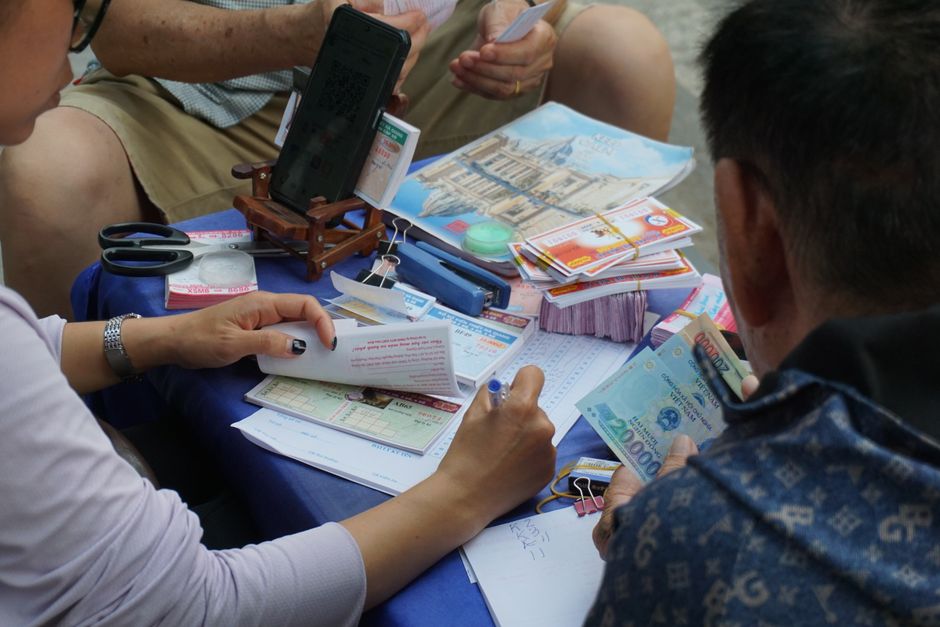
In this post, we explore why bingo earns this description, tracing its heritage from crowded halls in the North West of England to modern digital lobbies hosted by companies like PunsHome and MrQ. We also highlight research insights from Ipsos MORI that spell out the social dynamics at play.
Bingo as More Than a Game: It's a Communal Entertainment
At first glance, bingo might seem like a simple game of chance—randomly called numbers, individual cards, and quick-fire rounds. However, seasoned bingo players and social researchers alike describe the experience as genuinely communal. But what does this mean exactly?
Unlike many other forms of gambling or gaming, bingo’s essence lies in a shared anticipation that pulses through the room or chat lobby every time the caller numbers rise. This isn’t just about competing simultaneously; it’s about a collective social ritual where participants connect over laughter, suspense, and camaraderie.
The Social Rituals Behind Bingo’s Communal Nature
- Shared Anticipation: Every number called brings collective suspense. Players whisper, celebrate or commiserate simultaneously; this synchrony provides emotional coupling rarely found in other games. In-room Banter and Chat: Physical halls buzz with caller-style chatter and audience interaction. Online, tools like in-room chat rooms replicate this atmosphere, with lively banter, jokes, and support exchanged every ten minutes during game rounds. Themed Rooms and Room Personalities: Digitally, platforms introduce themed rooms—vintage nostalgia one round, seaside craic the next—adding distinct personalities to virtual spaces, encouraging regulars to feel like part of a close-knit group.
Scaling Community: From Local Halls to the National Bingo Game
While smaller bingo clubs historically thrived on intimate communities, scalability posed challenges. The introduction of the National Bingo Game in the UK, launched in the 1980s, was a monumental leap that combined multiple venues into a massive player pool. At peak moments, tens of thousands would simultaneously partake in a shared ritual, knitting together local communities into a nationwide event.
This expansion enhanced the communal feel without diluting it—the bigger the pool of players, the louder the collective anticipation. Every ten minutes, when a big win was announced, the social buzz would crescendo both in physical halls and via radio broadcasts.
Early Online Bingo: Navigating the Limits of Technology
The first forays into online bingo attempted to translate this communal magic to the digital sphere. However, broadband speeds and user experience (UX) limitations posed barriers. Early platforms often felt like isolated experiences, with little to no real-time interaction to replicate the social rituals of the halls.
Simple chat rooms lacked warmth and personality. Automated number calling sometimes felt sterile or, worse, artificially generated without the human touch. This led to a disconnect between players who were “playing together” but not truly feeling part of a community.
Advances in Broadband and UX Improving the Social Layer
Faster broadband and improved user experience designs have shifted the landscape dramatically. Online rooms are now vibrant social hubs where:
- In-room chat rooms buzz with natural banter and communal support. Themed rooms create immersive environments that encourage repeat visits and genuine friendships. Room personalities foster familiarity and a sense of belonging, which primes players to enjoy the shared anticipation and social rituals we associate with bingo.
MrQ, for example, offers bingo ticket prices starting from as little as 1p in some rooms, making it accessible to a punshome.com broad audience and inviting a diverse community of players. This affordability coupled with improved social tools means bingo remains a location where community thrives online the same as in real halls.
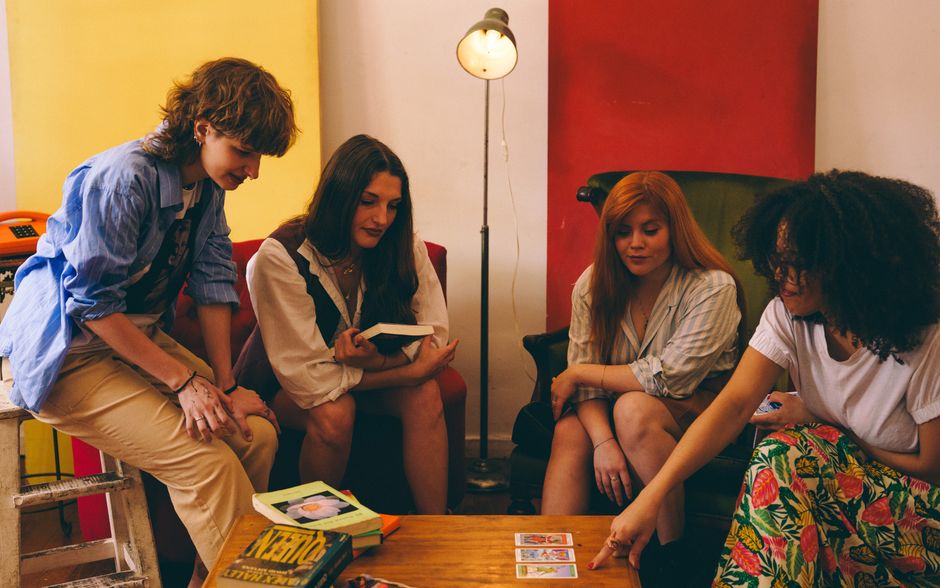
Research Insights: How Ipsos MORI Highlights The Communal Experience
Studies conducted by Ipsos MORI reinforce what seasoned bingo fans already know. Their research reveals that bingo isn’t purely a gambling game; it acts as a social catalyst where:
Players experience “shared anticipation” and collective excitement. Participants place high value on community bonds and mutual support. Calling styles and real-time interaction—including humor and encouragement—are key to the enjoyment. The social ritual of bingo extends beyond number calling to building connections.These findings confirm that the communal buzz surrounding bingo—both online and offline—is a core reason it remains a cherished pastime.
Conclusion: Why “Communal” Is More Than Just “Playing Together”
To call bingo merely about "playing together" misses the point. The magic lies in the social ritual and the genuine community that forms around the game. Whether in a buzzing hall, a themed digital room by PunsHome, or a low-cost 1p-tickets room by MrQ, bingo fosters a shared anticipation and camaraderie that transcends the mechanics of the game.
Modern technological improvements and thoughtful UX design restore the warmth of caller-style banter and real-time interaction. Combined with nationwide scaling through the National Bingo Game and insights from Ipsos MORI, bingo's communal heart beats stronger than ever.
So next time you join a bingo game, remember—you’re not just playing a game simultaneously. You’re stepping into a lively social ritual with a genuinely communal spirit.